


Three apps, one order
A food delivery ecosystem built as three connected apps: customers discover restaurants and order, restaurants run their storefront and kitchen queue, and delivery partners navigate the pickup and the drop-off. One order moves through all three in real time.
Category
- Food delivery
- Online ordering
Apps
- Customer
- Restaurant
- Delivery partner
What we did
- UX & UI design
- Mobile apps
Core
- Live order pipeline
- Instant & pre-order
One order, handed between three parties
A food order is never one person's job. A customer starts it, a restaurant accepts and cooks it, and a delivery partner carries it. D-Sir gives each of them their own app and keeps the single order in sync across all three.
Three apps that each do one job well
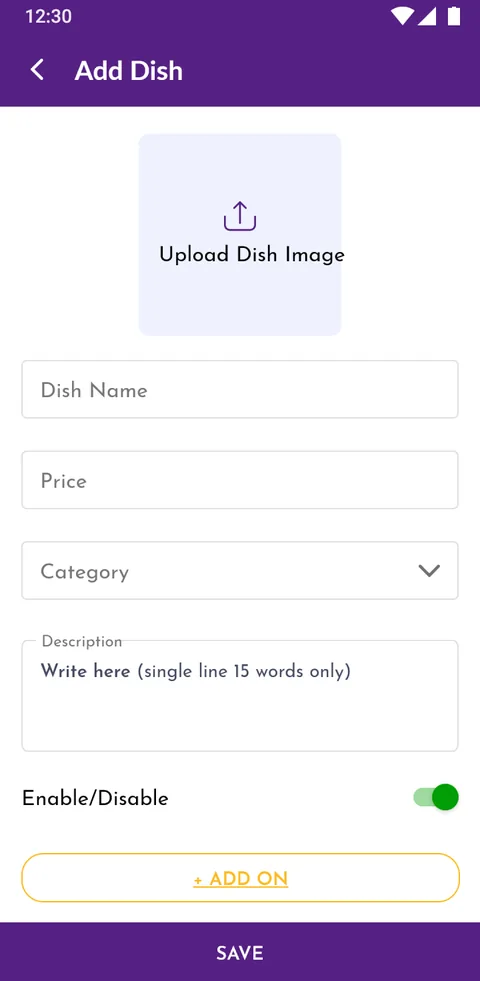
Rather than bolting three roles onto one screen, each side gets a purpose-built app: a discovery-and-ordering app for customers, an order-and-menu console for restaurants, and a navigation app for delivery partners, all reading and writing the same order.
What does ordering feel like?
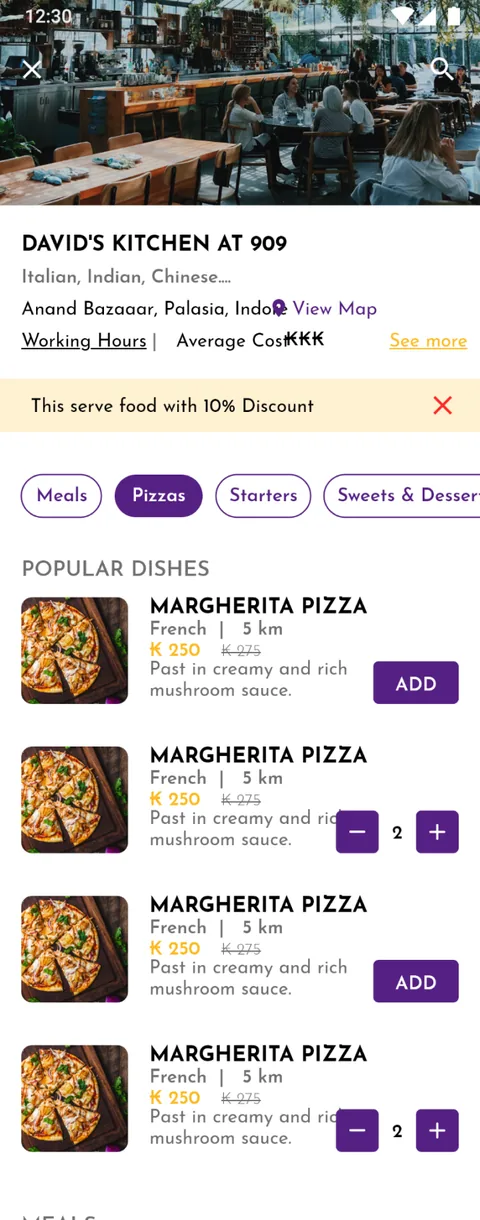
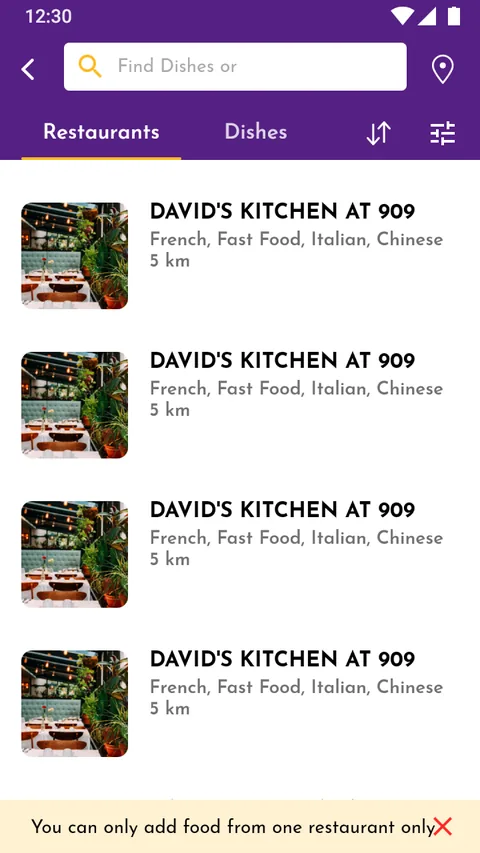
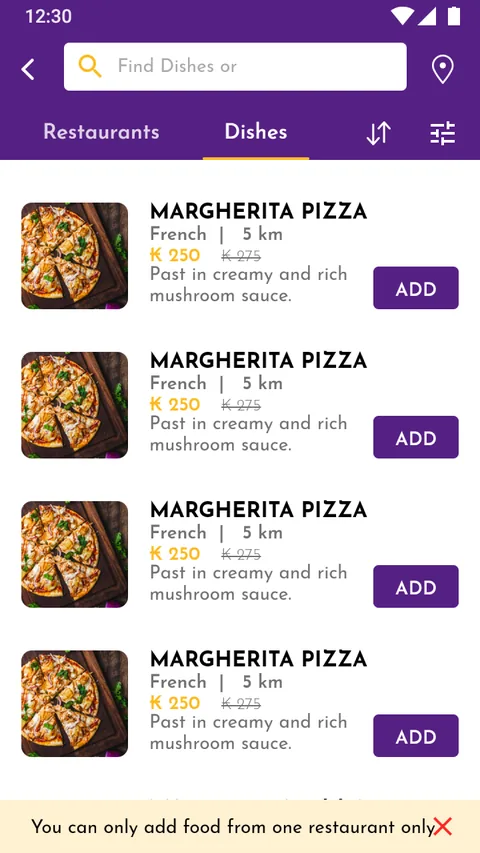
The customer side is built to get from hungry to ordered without friction: discover, open, add, check, and track.
How did we design and build it?
How does one order move through three apps?
This is the whole argument for building it as three connected apps rather than one. Each step lives in a different app and hands the order to the next, so nobody is waiting on a phone call to know what happens next.
- 01
Order placed
The customer builds a cart from one restaurant and places it as an instant order or a pre-order.
Customer - 02
Restaurant accepts
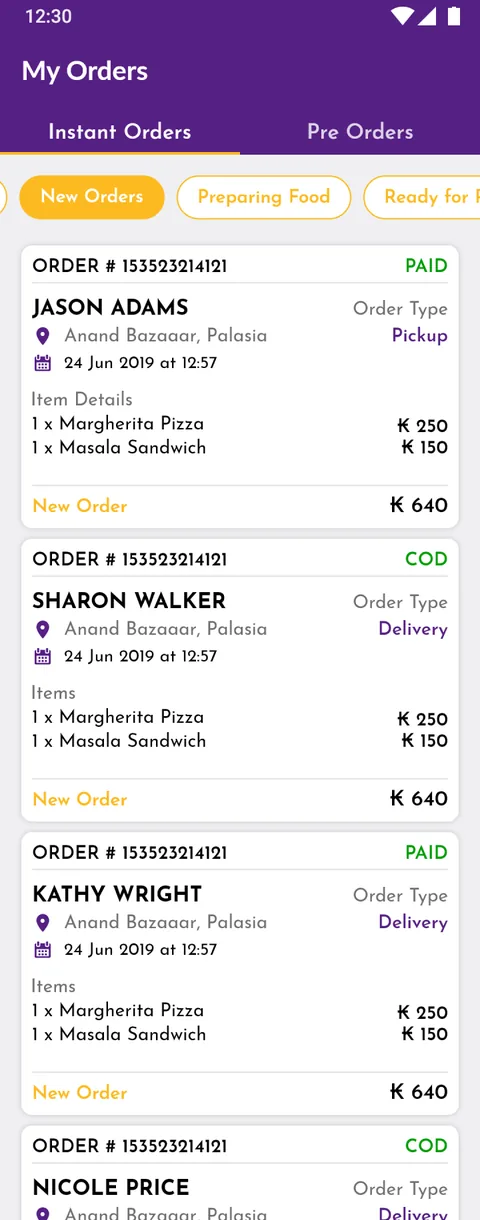
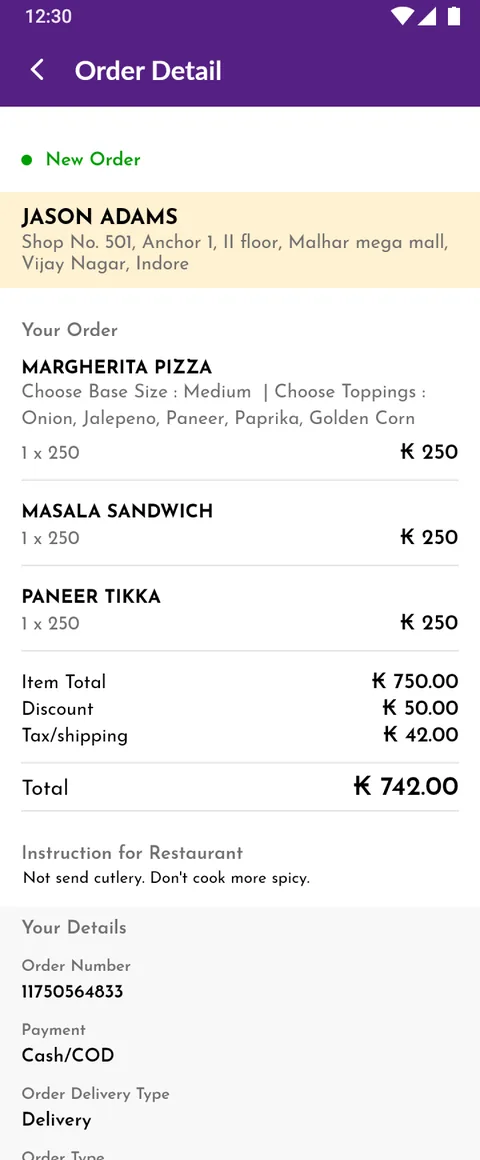
The new order lands in the restaurant's queue and is accepted from the console.
Restaurant - 03
Kitchen prepares
The order moves into the preparing-food stage, visible to everyone watching it.
Restaurant - 04
Ready for pickup
The restaurant marks it ready, which is the cue for the delivery leg to begin.
Restaurant - 05
Partner collects
The delivery partner navigates to the restaurant on a live map and collects the order.
Delivery partner - 06
Delivered
The partner is guided to the drop-off address and completes the delivery.
Delivery partner - 07
Rated
The customer reviews the meal and the experience, closing the loop.
Customer
Scroll the path sideways
One platform, three points of view
The same order looks completely different depending on who is holding the phone. Switch between the three apps to see what each party actually does.
- Browse restaurants and dishes in two tabs
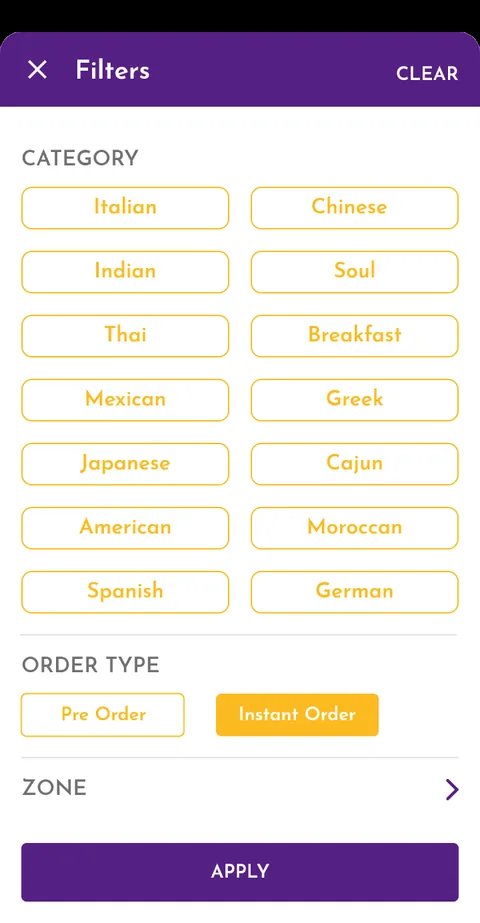
- Search, sort and filter by zone
- Build a cart from a single restaurant
- Order for pickup or delivery
- Track the order and pay from a wallet
Building a food delivery platform
The questions we hear first about building delivery platforms.
Ask us yoursHow long does it take to build a food delivery app?
A three-sided platform like this, a customer app, a restaurant console and a delivery-partner app on one live order pipeline, is a multi-month programme rather than a few weeks. The single biggest driver is not the customer app most people picture but the coordination between the three: the same order has to stay consistent as it is handed between them in real time.
Why build three separate apps instead of one?
Because the three parties do genuinely different jobs. A customer discovers and orders, a restaurant accepts and cooks, a partner navigates and delivers. Forcing all of that into one interface makes every screen worse for everyone. Three purpose-built apps over a shared order keep each experience focused while the order stays in sync.
What is the difference between an instant order and a pre-order?
An instant order is placed for right now and enters the kitchen queue immediately. A pre-order is scheduled ahead of time and surfaces to the restaurant when it is due. The restaurant console keeps the two in separate lanes so a scheduled order does not crowd out live demand.
How does the delivery partner know where to go?
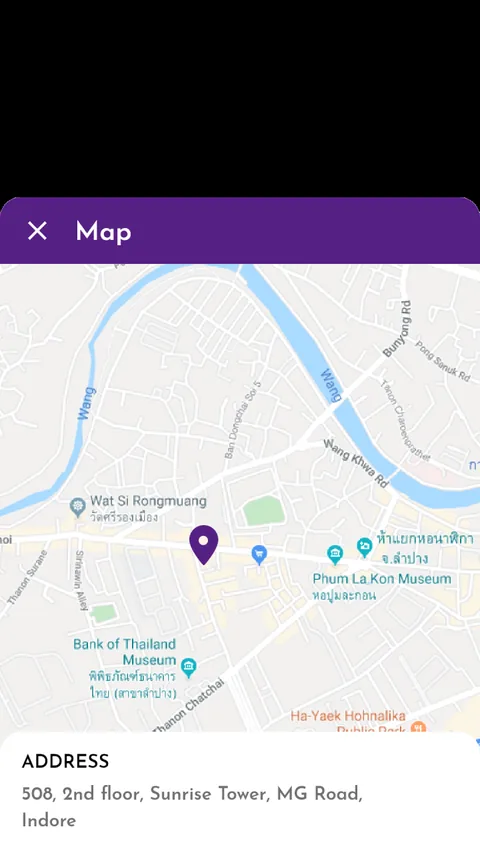
Once a restaurant marks an order ready, the delivery partner's app puts the pickup and the drop-off on a live map with the destination address. The physical handoff is guided turn by turn rather than left to a screenshot of an address.
How much does a delivery platform cost to build?
It depends on scope, and no honest number comes from a feature list alone. The biggest cost drivers are the number of separate apps, whether payments and wallets are in scope, and how much live coordination the order pipeline needs. Shanti Infosoft scopes it on a short call and returns a fixed quote.
Related work
Building a marketplace with more than one side?
Tell us how your business actually works and we will tell you honestly what it takes to build. See more of our work or what we do.
Book a 15-minute call