01
Post a job
A customer selects a service category, describes the work and sets a location, so the request that reaches professionals is already scoped and quotable.
Post→



A mobile marketplace for local services in Spanish: a customer describes what they need by category, professionals send priced quotes, and the customer awards the job and pays - by card held in escrow until the work is finished, or cash on the day - with messaging, a wallet and ratings all inside the app.
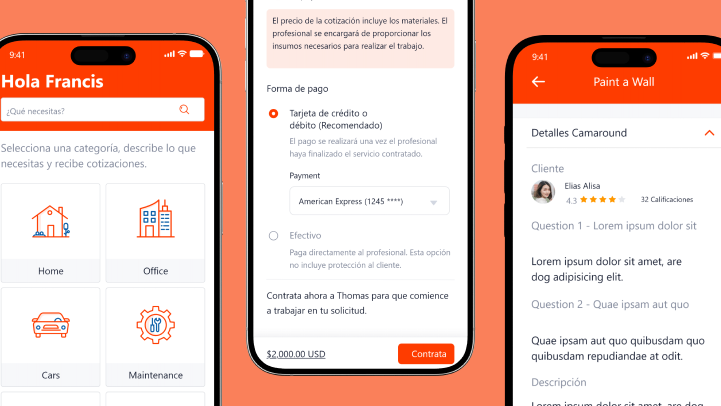
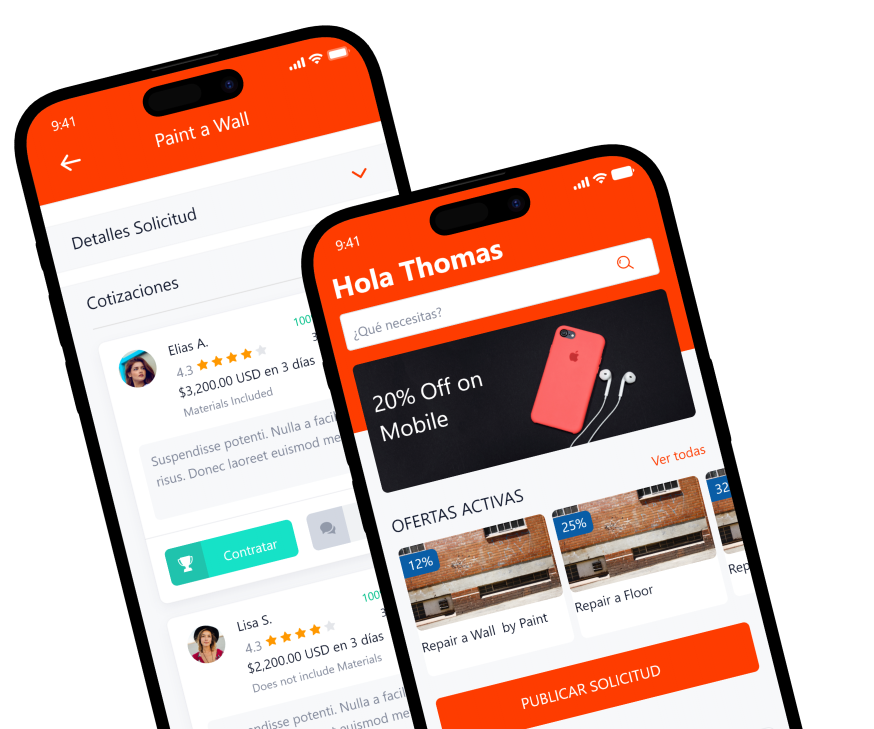
A customer picks a category, describes the work and receives quotes. When they award the job, the app takes payment - a card held until the professional finishes, or cash paid directly with the trade-off spelt out - then tracks the work through to completion and a rating. Messaging, a wallet and the project history all live in the same place.
A customer posts a job by category and shares the details in one flow; professionals respond with priced proposals, so the customer compares offers instead of chasing quotes.
Awarding a job by card holds the money until the professional finishes, and the cash option states plainly that it carries no client protection - so the trade-off is a choice, not a surprise.
Messaging, a wallet, project tracking and a closing rating keep the work and the reputation inside Tu Camaround rather than trailing off into calls and cash.
Why is a services marketplace hard to fit on a phone?
A service is not a product on a shelf - it is a described need, a set of competing quotes, an award, a held payment and a job that runs over days. Compressing that whole lifecycle into a phone, for both sides, without losing the escrow logic, was the core design problem.
A job runs over days, not one tap: posting, quoting, awarding, working and completing are distinct stages a mobile flow has to move a customer and a professional through, each with its own screen and state. Money has to wait for the work, so the app must make the card-versus-cash protection difference clear at the moment of hiring. And because customer and professional negotiate inside the app, messaging and notifications have to keep a multi-day job legible on a small screen.
stage job lifecycle - post, quote, award, complete, rate - modelled for two sides, not one.
As listed on the live product page.
A services marketplace is two products in one screen size - what a customer needs and what a professional can deliver on - held together by escrow, messaging and a rating that both sides trust.
A customer selects a service category, describes the work and sets a location, so the request that reaches professionals is already scoped and quotable.
Professionals respond to the request with priced proposals, so the customer compares offers instead of chasing quotes one at a time.
The customer picks a quote and pays - by card held in escrow until the job is finished, or cash paid directly with the trade-off stated plainly.
The professional does the work while in-job messaging keeps both sides in sync; the customer reviews it and marks it complete, which releases the held payment.
A two-way rating closes the job, turning the completed work into reputation that protects the next customer and the next professional.
keep scrolling — the deal glides left →
Tu Camaround is a phone-first product, so the case for it is the screens themselves - posting a job, awarding a professional, paying, messaging and closing out, exactly as they are drawn.
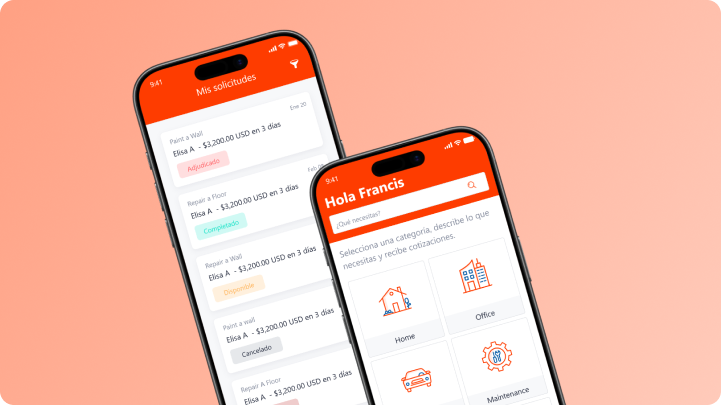
The home screen greets the customer and opens onto service categories - home, office, cars, maintenance - to start a job.
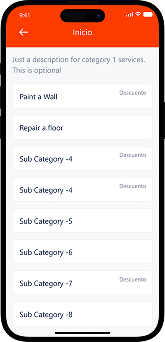
A category drills into the specific kind of work, so a professional receives a job that is already scoped.
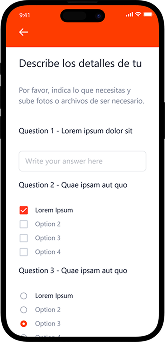
The customer shares the details of what they need in one form before the request goes out for quotes.
A quote screen shows the professional, their price and timeframe, and lets the customer choose how to pay.
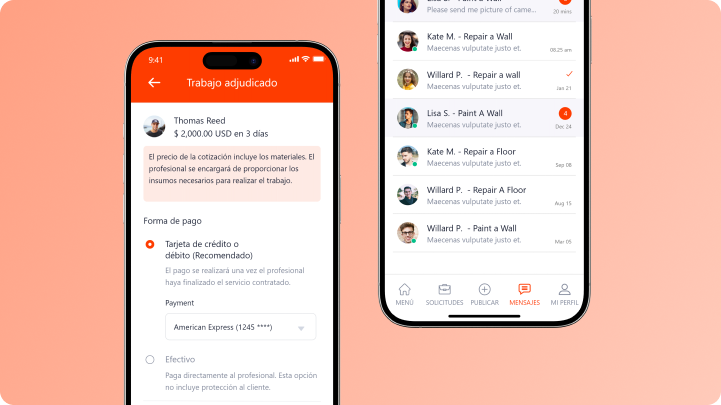
Card payment is held until the work is finished; cash is paid directly, with the protection trade-off stated.

As the job wraps up, the customer reviews the work and marks it complete before payment is released.
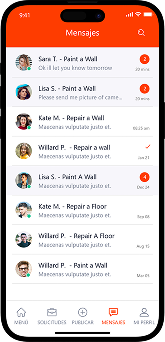
A message list keeps every job's conversation in one place across the customer's active work.
A thread ties the conversation to the specific job, so nothing is negotiated off to one side.
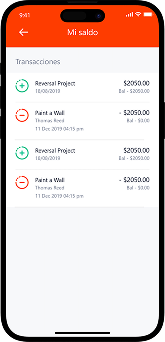
A wallet holds a balance and shows movement, so payments and top-ups live inside the app.
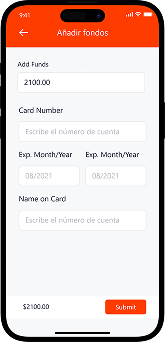
Topping up the wallet keeps a customer ready to award and pay without leaving the flow.
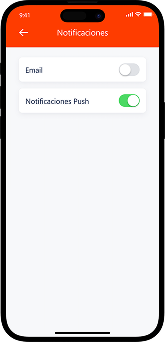
Quote, award, message and completion alerts keep a multi-day job moving on both sides.
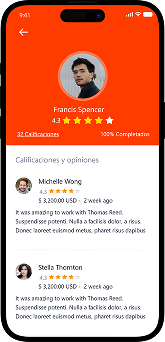
A profile ties the account, history and settings together for the person using the app.
A high-visibility orange carries the calls to action a two-sided marketplace depends on - award, pay, message - against a cool slate ink built for dense, multi-day job screens.
These held well beyond Tu Camaround - they separate a marketplace people hire and pay through from a directory they scroll once and forget.
Describing a job once and getting several priced offers beats chasing quotes one professional at a time.
Card payment released on completion is what makes hiring a stranger feel safe; the cash trade-off must be stated, not hidden.
Post, quote, award, work and complete are distinct stages, so the app has to carry state across days rather than a single transaction.
Messaging tied to the specific request stops negotiations scattering across calls and texts the platform never sees.
A customer should choose escrow or direct pay with the consequences in front of them, at the moment they hire.
Two-way ratings turn each completed job into reputation that protects the next customer and the next professional.
Tell us how your business actually works and we'll tell you honestly what it takes to build - the quoting, the escrow, the two-sided job lifecycle. No deck, no pitch.