


Eat likea pro
A Norwegian meal-delivery service built around training goals: 50+ protein-rich, macro-tracked dishes that chefs cook fresh, vacuum-seal and shock-freeze, delivered ready for the week and reheated in about five minutes - ordered by flexible subscription or as a one-off.
What is Trenogmat built to do?
Eating for a training goal is a chore: track the macros, cook in bulk, and do it again every few days. Trenogmat takes that off the plate - prepared, protein-rich meals matched to a goal, delivered ready for the week, so hitting your numbers is a reheat rather than a cooking session.
Goals first, food second
Weight loss, performance and muscle building each get their own package, so a customer starts from what they are training for instead of a wall of dishes.
Macros you can actually see
Every meal shows its protein, carbohydrate and fat, so tracking intake is reading a label rather than weighing and calculating.
A week of eating, in one delivery
Meals are cooked fresh, vacuum-sealed and shock-frozen, then delivered ready for the week and reheated in about five minutes.
Why isn't a fitness meal service just another food-delivery site?
A takeaway app assumes you are hungry now and picking one meal. Eating for a goal is the opposite: it is planned, repeated across a week, and measured in macros, not just taste.
Modelling goals, macros and a week-at-a-time rhythm - instead of a single hot order - was the core problem. Weight loss, performance and muscle building each need different meals, so the service had to lead with the goal, not a generic menu. Protein, carbohydrate and fat per meal had to be visible, because that is the real spec a serious eater plans around. And frozen, batch-prepared meals with a flexible subscription had to model a weekly rhythm a single hot delivery never has to.
macro-tracked dishes on the menu, with dietary filters built in.
As published on the live menu.
What a goal-driven meal service had to get right
The service had to model training goals, real macros and a week-long rhythm instead of a single hot order, while keeping ordering as flexible as a weekly habit needs to be.
What the service had to deliver
- Lead with the goal. Three packages - weight loss, performance, muscle building - or a build-your-own box from 50+ dishes.
- Put macros on every dish. Protein, carbohydrate and fat shown per meal, not buried in a spec sheet.
- Cook once, eat all week. Chefs cook fresh, then vacuum-seal and shock-freeze, delivered ready for the week.
- Keep commitment reversible. A no-binding subscription sits alongside one-time orders.
Why it was hard
- A takeaway app assumes a single hungry moment; this is planned eating, repeated across a week.
- The goal has to shape the order itself, not sit behind a generic menu filter.
- Macros had to read like a label a customer can act on, not numbers buried in a PDF.
- Delivery had to set expectations before commitment - a coverage check before a customer orders a week of food.
What does the service actually look like?
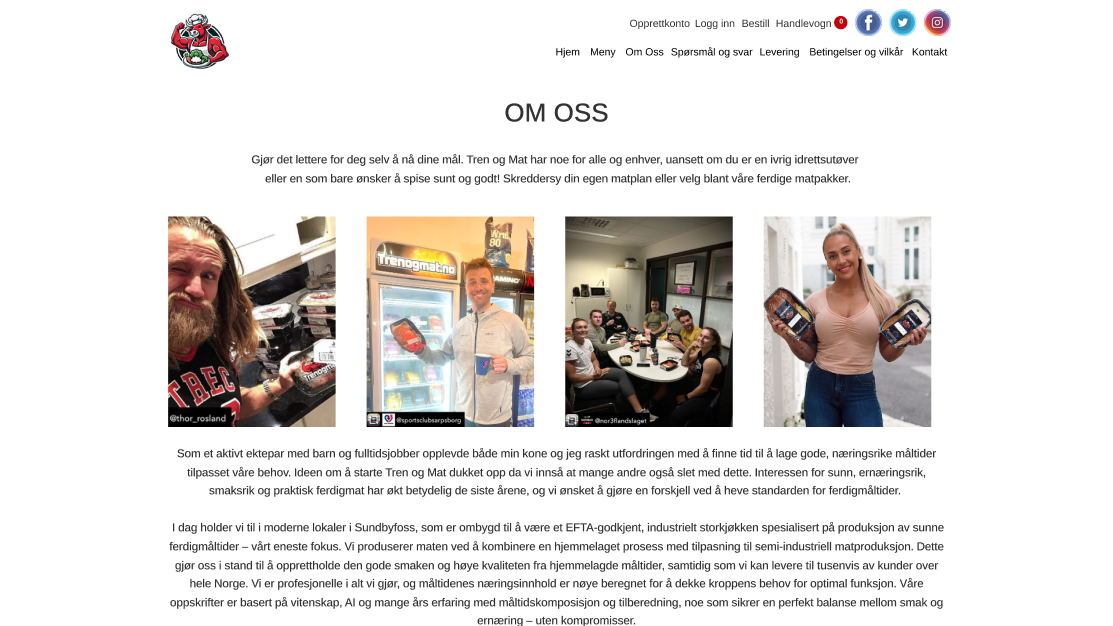
Every screen here is from the live site - the goal-led home, the macro-tracked menu, the package builder, delivery and the story behind the food.
Eat like a pro
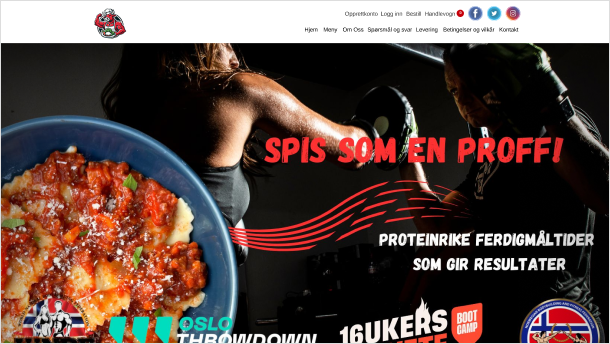
Home · Goals up frontThe home page leads with training goals and a bold, athletic identity, so a visitor starts from what they want to achieve, not a menu.
Real food, real numbers
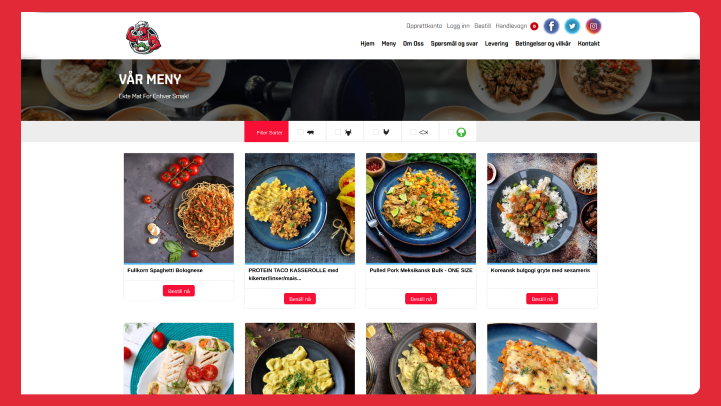
Menu · 50+ dishesThe menu carries 50+ dishes with dietary filters and macro information, so choosing a meal and tracking intake happen in one place.
Choose a goal, build a box
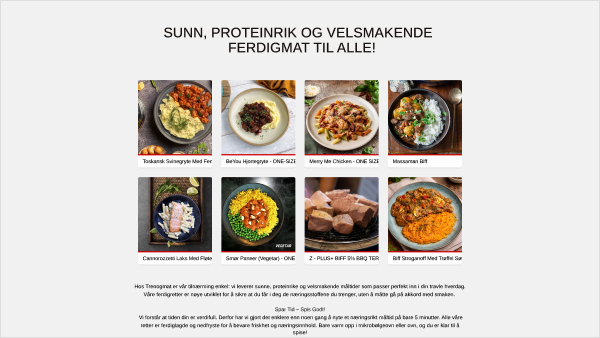
Packages · Build your boxThe package flow lets a customer pick a goal - or build their own box - turning a menu into a plan for the week.
Check if they deliver to you
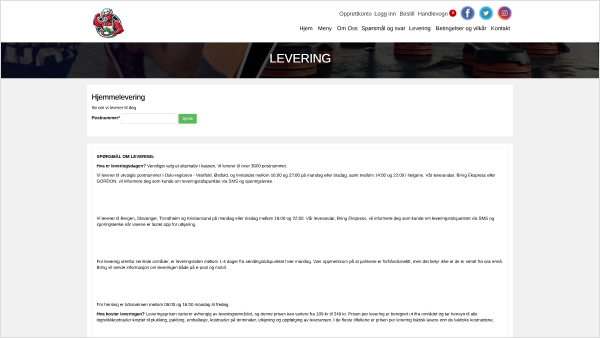
Delivery · To your doorA delivery checker and a clear delivery page set expectations before a customer commits to a week of meals.
The thinking behind the food
About · The storyThe about page explains the fresh-ingredient, protein-first approach that separates the service from mass-produced ready meals.
How does a week of meals reach your door?
The service runs on a simple, repeatable loop - the whole promise is that you make one choice and the rest happens for you, right through to a five-minute reheat.
- 01You
You choose
Pick a goal package - weight loss, performance or muscle building - or build your own box from 50+ macro-tracked dishes.
- 02Kitchen
We prepare
Chefs cook every meal with fresh ingredients, then vacuum-seal and shock-freeze it immediately to lock in nutrients and freshness.
- 03Courier
We deliver
Your meals arrive packed and ready for the whole week, delivered to your door so nothing is left to plan.
- 04You
Bon appetit
Each meal heats in about five minutes - eat on the go, at work, or before and after training.
The look, and why
A bold, athletic red carries the identity, a deep garnet grounds it on light surfaces, and a warm mist keeps long menu pages calm around it.
What does a goal-driven food service have to get right?
These came out of building Trenogmat and hold for any subscription-food or meal-plan product - they separate a service people eat from all week from a menu they order from once.
Lead with the goal, not the menu.
A customer eating for weight loss or muscle wants a plan that fits it, so goals belong at the front and the dishes behind them.
Put the macros on the plate.
Protein, carbs and fat per meal are the real spec for this audience - hide them and the service is just another takeaway.
Design for a week, not a meal.
Batch preparation, freezing and a flexible subscription model the weekly rhythm a single hot order never has to.
Make commitment easy to reverse.
Subscription with no binding, plus a one-time option, lowers the risk of trying and keeps people ordering.
Set delivery expectations early.
A coverage check and a clear delivery story stop a customer committing to a week of food they cannot receive.
Keep the menu fresh.
Enough dishes and real dietary filters mean there is always something new, which is what turns a trial into a habit.
Building a meal-delivery service like Trenogmat
How do you build a meal-delivery or subscription-food platform?
How much does a meal-delivery website cost to build?
Can it handle subscriptions and one-time orders together?
How do you handle delivery areas and scheduling?
Is a fitness meal service different from a normal food-delivery build?
Building a subscription-food product?
Tell us how your business actually works and we'll tell you honestly what it takes to build - the goal packages, the macros, the weekly rhythm. No deck, no pitch.