01
Check delivery
The shopper sets a location and the app confirms whether it falls inside the delivery zone.
Zone check→



A mobile app for ordering wine by the pack and having it delivered — confirm the address is in the delivery zone, browse curated selections, pick a delivery date and time, and check out, all from the phone.
The app confirms the delivery zone up front, presents wine as curated packs rather than an endless grid, then walks a clean path through cart, a chosen delivery slot and payment — with a guest able to browse before committing to an account.
A location check confirms an address is serviceable before the shopper invests any time, with clear delivered and not-delivered states rather than a failure at checkout.
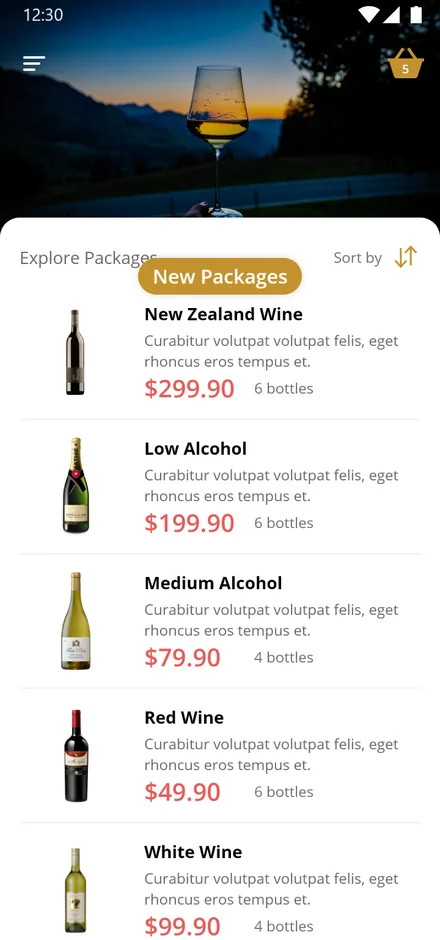
Wine is browsed as curated packages grouped by style — red, white, low and medium alcohol — each showing its bottle count and the wines included, so choosing is a shortlist, not a search.
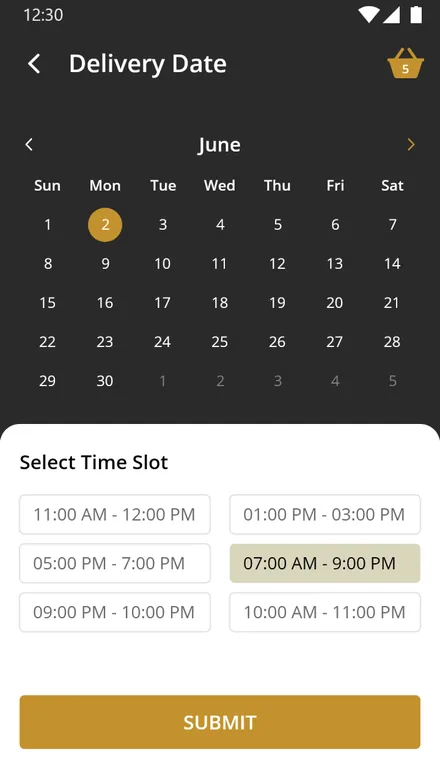
Alcohol delivery is scheduled, so checkout includes a delivery date and a chosen time slot instead of pretending an order can arrive the instant it is placed.
Why does ordering wine for delivery need its own app?
A generic store grid gets three things wrong for wine, and each one loses the sale at a different point. The app is shaped around fixing all three.
Will you even deliver here? Alcohol delivery is bound to a zone. Asking that question first — with a real serviceable check — beats letting a shopper fill a cart only to be turned away at the end.
Choosing a bottle is intimidating. Faced with hundreds of labels, most shoppers stall. Curated packs by style, each listing the bottles inside, turn an open-ended search into a confident pick.
It arrives when someone is home. Wine delivery is scheduled, not instant, so the flow has to make picking a delivery date and time slot feel like a normal step, not an afterthought bolted onto checkout.
things a generic store grid gets wrong for wine — each one loses the sale at a different point.
A wine app lives or dies on the order in which it asks things. The build followed the same logic the shopper does.
The shopper sets a location and the app confirms whether it falls inside the delivery zone.
Curated packages by style are browsed and sorted, each showing its bottle count.
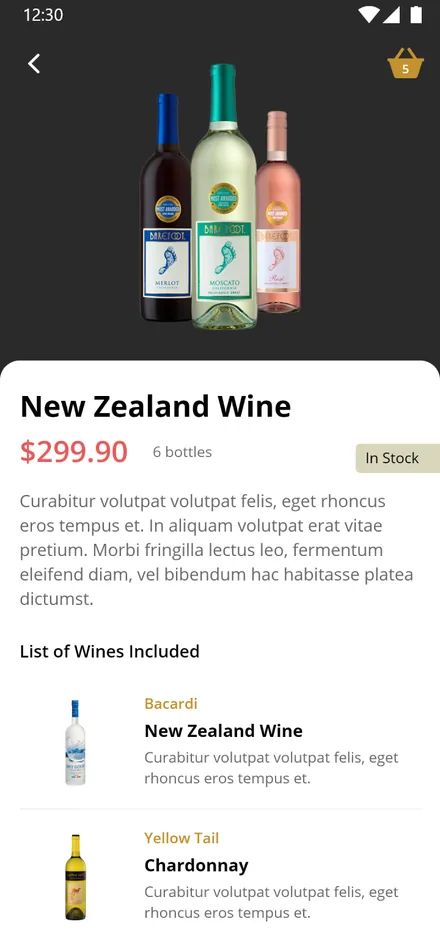
A pack reveals the bottles it includes, its stock state, and an add-to-cart or buy-now.
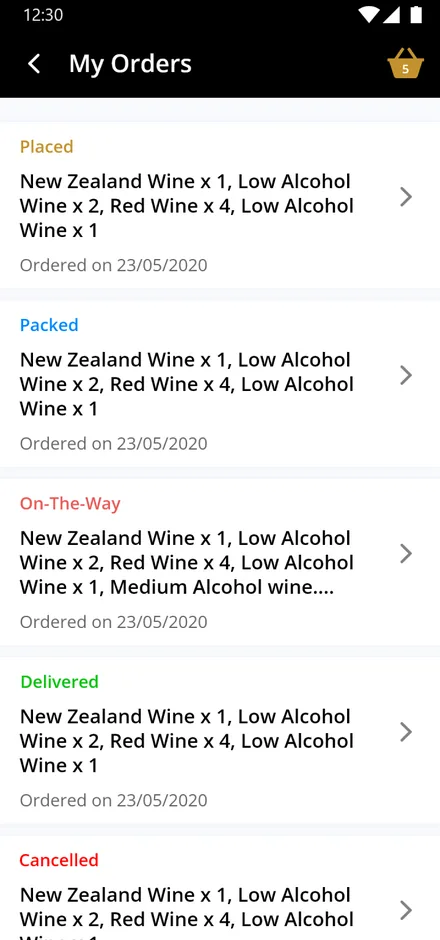
The basket is reviewed and the shopper moves into a clean, staged checkout.
A delivery date and a time slot are chosen, turning the order into a booked appointment.
Payment completes the order and a thank-you screen confirms the booked delivery.
keep scrolling — the deal glides left →
A generic store grid gets three things wrong for wine — this is what changes when the app is shaped around fixing them.
A wine app lives or dies on the order in which it asks things — the build followed the same logic as the shopper.
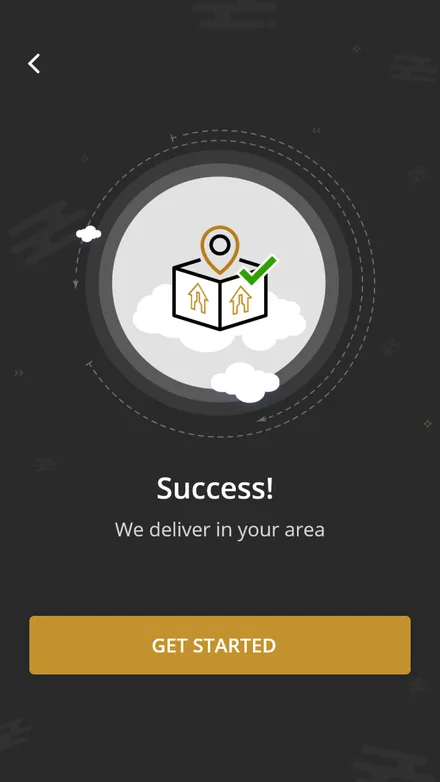
The location check was designed as the first real interaction, so the app never lets a shopper build an order it cannot fulfil — the delivered and not-delivered states set the tone before anything else.
Instead of an endless product grid, wine was organised into curated packs by style, each opening to the bottles it contains, so choosing feels guided rather than overwhelming.
The date-and-time-slot step was built into checkout as a first-class stage, because scheduled delivery is how alcohol actually moves and hiding it causes failed drop-offs.
Guest browsing and a full account path were designed side by side, so a first-time shopper can explore packs and a returning one can reorder from their history.
Every number in this panel is delivered scope — what was designed, built and handed over on the wine retail build for Wine Tonight. It leaves out traffic, conversion and revenue on purpose: those figures belong to the client, and we don’t publish numbers we cannot stand behind.
From a reviewed basket to the slot that turns an order into an appointment, and the screen that confirms it.
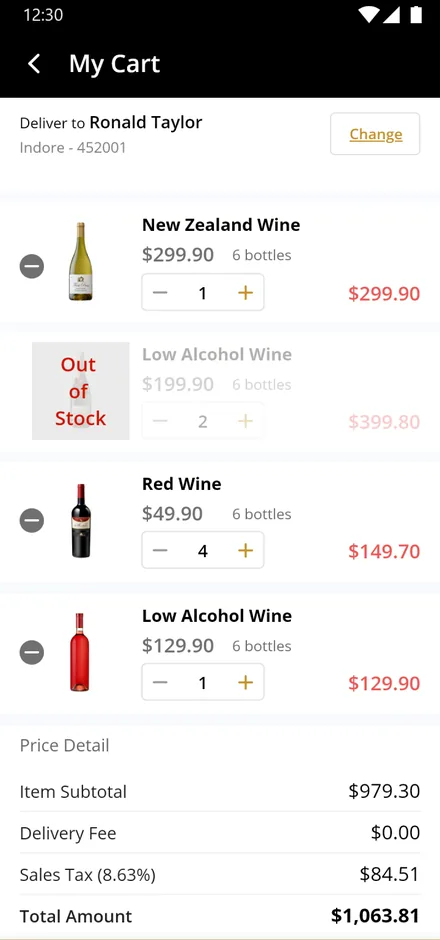
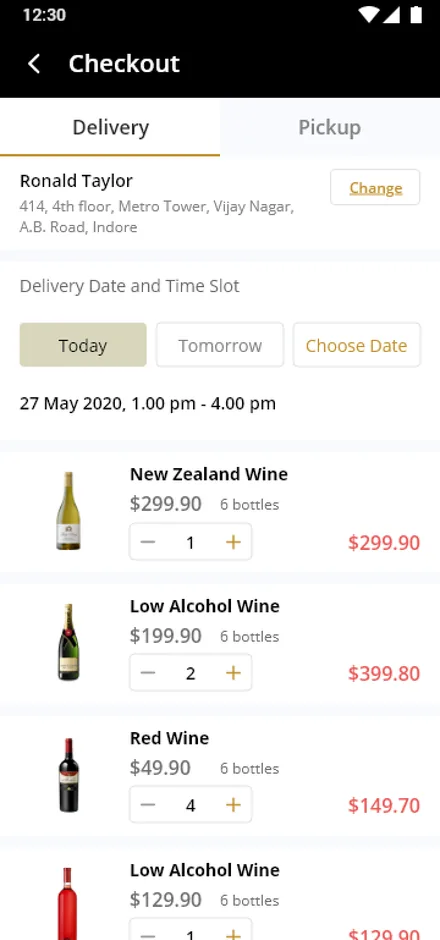
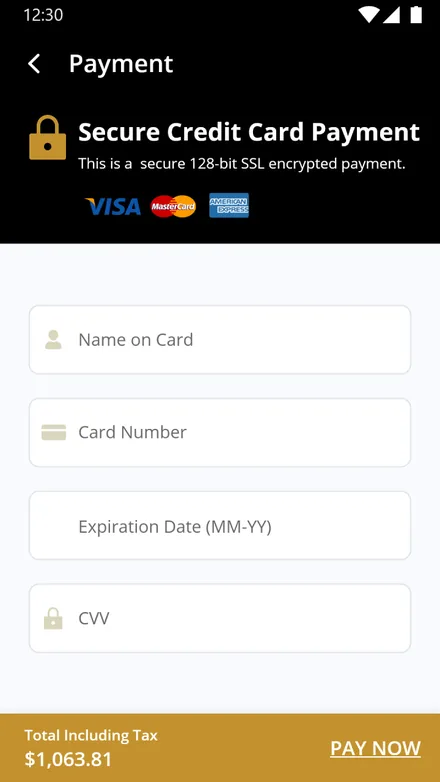
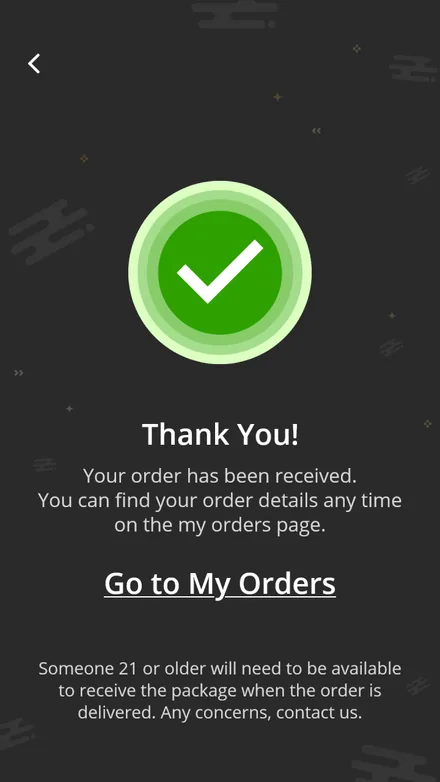
Thank you. Confirmation that the order is placed and a delivery slot is booked.
A warm amber the colour of the product itself carries the accents, a near-black ink keeps labels and prices legible, and a soft mist grounds the packs without competing with the bottles.
Wine forced these decisions, but the pattern carries to anything delivered locally on a schedule.
Confirm the address can be served before a shopper invests any time — a zone check up front beats a refusal at checkout.
Curated packs by style, each listing what's inside, turn hundreds of labels into a confident pick instead of an open-ended search.
A delivery date and time slot belongs in checkout as a first-class step, not an afterthought — that's how alcohol actually moves.
A delivery-zone gate, a curated catalogue and scheduled-slot checkout carry to groceries, meal kits, flowers and anything else delivered locally on a schedule.
Tell us how your business actually works and we'll tell you honestly what it takes to build — the zone check, the catalogue, the booked slot. No deck, no pitch.